Smart Factory & KI
Intelligent Production for the Metal Industry
Smart factories and artificial intelligence are bringing about lasting change to the metal industry. Connected production systems, intelligent automation and data-driven decisions are creating new opportunities to manage processes more efficiently, deploy resources in a more targeted manner and continuously improve the quality of industrial manufacturing. Digital technologies are thus becoming a key component of sustainable and competitive production.
The Bright World of Metals brings together the international players driving this development. GIFA, METEC, THERMPROCESS and NEWCAST showcase technologies and solutions for digital transformation – from connected production systems and automation to AI-supported applications across the entire metallurgical value chain.

What is a Smart Factory?
A smart factory is a digitally networked production environment in which machines, plant and IT systems exchange information in real time. This enables production processes to be monitored, workflows to be optimised and decisions to be supported in a targeted manner.
In the metal industry, the smart factory forms the basis for intelligent production processes. It combines automation, data analysis and digital technologies to continuously improve efficiency, quality and flexibility throughout the entire value chain.
Which Technologies make a Smart Factory possible?
A Smart Factory is created through the interplay of various digital technologies. Connected machinery, intelligent software and data-driven systems form the basis for transparent production processes, automated workflows and well-informed decisions in real time.
The most important key technologies include:
- Industrial Internet of Things (IIoT): Connected machines, sensors and systems collect and share production data in real time.
- Artificial Intelligence (AI): AI analyses data, recognises patterns and supports process optimisation and predictive maintenance.
- Big Data & Cloud Computing: Large volumes of data are processed centrally and form the basis for data-driven decisions.
- Digital twins: Virtual representations of plant and processes enable simulations, analyses and optimisations even before implementation.
- Robotics and automation: Intelligent robotic systems and cobots take on repetitive tasks and support flexible production processes.
What are the Benefits of a Smart Factory?
Smart factory concepts help companies make production processes more transparent, efficient and flexible. The intelligent networking of plant and data creates new opportunities to continuously develop processes and respond more quickly to changing requirements.
The key benefits include:
- More efficient processes: Connected machinery and data-driven analytics support the continuous optimisation of production workflows.
- Higher process and product quality: Real-time data enables the early detection of deviations and helps maintain consistently high quality.
- Greater flexibility: Digital production systems make it easier to adapt to changing products, batch sizes and customer requirements.
- Resource efficiency: Intelligent control systems help to utilise energy, materials and production resources more effectively.
What Role does Artificial Intelligence play in the Metal Industry?
Artificial intelligence is emerging as a key technology in industrial production. By analysing large volumes of data, it helps companies to monitor production processes, identify correlations and make decisions based on real-time data. Together with smart factory concepts, AI opens up new possibilities for more efficient, transparent and flexible manufacturing throughout the entire metallurgical value chain.
How does Artificial Intelligence support production processes?
In the metals industry, AI applications are used in various areas of production. They analyse process data, recognise patterns and help to better control and continuously optimise complex manufacturing processes.
Areas of application include:
- Analysis and evaluation of production data
- Support for process optimisation
- Predictive maintenance of plant
- Optimisation of energy and material usage
- Digital assistance systems for production processes
How does AI optimise quality control?
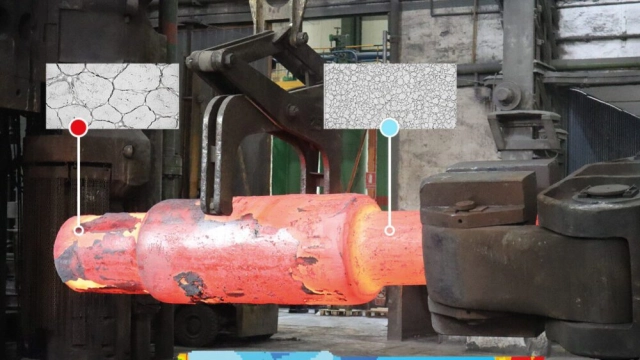
Artificial intelligence helps companies to automatically record quality characteristics and continuously monitor production processes. In combination with camera systems, sensors and intelligent analysis methods, deviations can be detected at an early stage and production processes adjusted in a targeted manner.
Key areas of focus include:
- AI-powered image processing
- Automated fault detection
- Analysis of sensor and process data
- Predictive Quality
- Data-driven process monitoring
The Bright World of Metals as a platform for Smart Factory & AI
The Bright World of Metals brings together four world-leading trade fairs with different areas of focus and demonstrates how Smart Factory, Artificial Intelligence and digital technologies are transforming the metallurgical value chain.
- GIFA showcases digital solutions for the foundry industry – from intelligent foundry processes and automation through to process monitoring and data-driven production systems.
- METEC presents smart factory and AI applications for the metallurgy sector, as well as the iron, steel and non-ferrous metals industries – from process optimisation to intelligent plant control.
- THERMPROCESS showcases digital solutions for thermal processes – including networked industrial furnaces, intelligent process control, data analysis and energy-efficient plant control.
- NEWCAST presents digital developments relating to castings – from simulation-based component development and digital engineering to smart manufacturing and quality processes.
FAQs on Smart Factory & AI
A Smart Factory is a digitally networked production environment in which machines, plant and IT systems exchange data in real time. This enables production processes to be managed more transparently, workflows to be optimised and decisions to be supported by up-to-date information.
Artificial intelligence helps companies analyse large volumes of data, identify patterns and optimise production processes in a targeted manner. Typical areas of application include process monitoring, quality control, predictive maintenance and data-driven production planning.
The key components of a smart factory include the Industrial Internet of Things (IIoT), artificial intelligence, big data, cloud computing, digital twins, and automated and networked production systems.
A smart factory helps companies to
- make production processes more transparent,
- intelligently network plant and processes,
- analyse production data in real time,
- improve quality and process stability,
- use resources efficiently, and
- respond flexibly to changing requirements.
Among other things, The Bright World of Metals highlights intelligent production systems, automation, the Industrial Internet of Things (IIoT), artificial intelligence, robotics, digital twins, data analysis, predictive maintenance and digital solutions for process monitoring and quality management.